How to Stop Porch Pirates: What Reduces Package Theft
Affiliate Disclosure: This article contains affiliate links. If you buy through these links, we may earn a commission at no extra cost to you. Our editorial opinions are our own and are not influenced by affiliate relationships. Read our full disclosure policy →
Contents
Quick Answer
Stop the package being available, rather than trying to catch whoever takes it. In order of effectiveness: redirect deliveries so the parcel never sits outside, then give it somewhere locked to go if it must, then add a visible camera. Cameras and alarm systems are consistently linked to deterrence, but a camera that records a theft has documented a loss rather than prevented one. The order matters, and most people do it backwards.
Why a Camera Alone Does Not Stop It
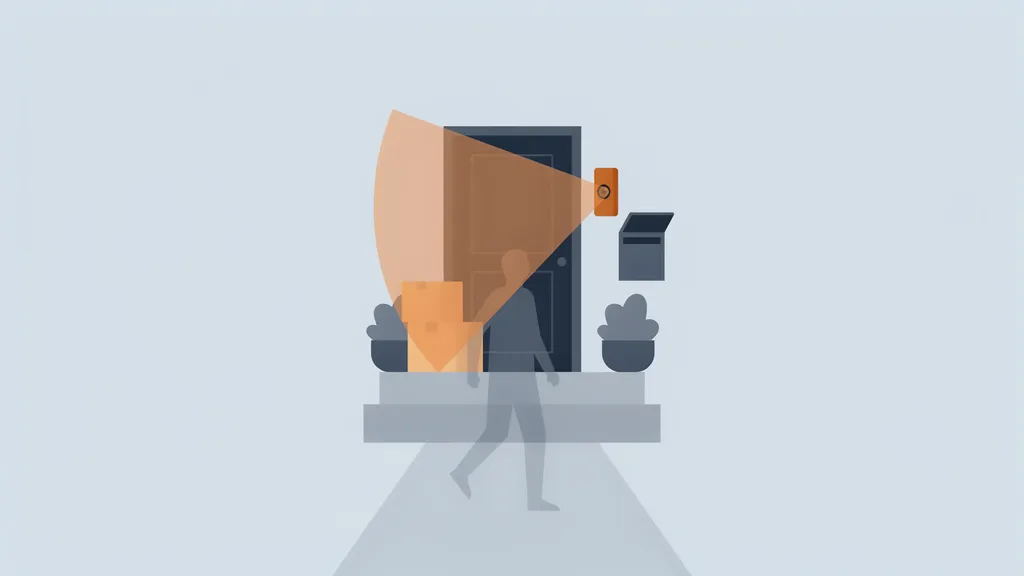
The default response to package theft is to buy a doorbell camera. It is the wrong first purchase, and understanding why changes the whole plan.
A camera changes the odds only if being recorded carries a cost. For a package theft, it usually does not. The person is on the porch for a few seconds, often from a vehicle, often with a hood up, and the resulting footage is a person-shaped figure at an angle that does not identify anyone. Even good footage rarely leads anywhere, because the value of a single parcel does not justify the investigative effort.
That is not an argument against cameras. Research consistently links visible cameras and alarm systems to deterrence, and deterrence is real. It is an argument about ordering: a camera raises the perceived risk of taking the parcel, while removing the parcel eliminates the opportunity entirely. Elimination beats deterrence when it is available, and for package theft it usually is.
Two Different Strategies
🎯 Eliminate the opportunity
- The parcel is never left unattended outside
- Works whether or not anyone is deterred
- Mostly free — it is delivery settings, not hardware
- Nothing to review afterwards because nothing happened
👁️ Deter the attempt
- A visible camera raises the perceived risk
- Depends on the person noticing and caring
- Produces evidence of what happened
- Costs money and still leaves the parcel sitting there
Fix the Delivery Before You Fix the Porch
This is the highest-value section of this article and it costs nothing. Nearly every major carrier and retailer now offers ways to stop a parcel being left unattended, and most people have never opened those settings.
Free Changes, in Order of Impact
1
Divert to a pickup location
Carrier lockers, retailer counters and partner stores hold the parcel until you collect it. The package never touches your porch.
2
Require a signature
On anything valuable. It converts an unattended drop into a failed delivery, which is recoverable in a way a theft is not.
3
Deliver to where you are
A workplace, a relative who is home, a neighbor who agreed in advance. The parcel goes somewhere occupied instead of somewhere empty.
4
Set delivery instructions
Around the side, behind the gate, out of sight from the street. Free, and it removes the opportunistic case entirely.
None of this is a purchase. All of it beats a camera for this specific problem.
One nuance worth knowing: delivery instructions work far better when they specify a place that is genuinely out of sight rather than merely off the step. “Behind the planter” is still visible from the sidewalk. “Through the side gate” is not. Opportunistic theft is a function of visibility from the street more than anything else.
The signature option deserves emphasis for high-value items specifically. A failed delivery is an inconvenience; an unattended drop that disappears is a dispute with the retailer, the carrier, or your card issuer, and it consumes considerably more of your time than collecting a parcel would have.
Making the Package Unavailable
When a parcel must be left, the next best thing to it not arriving unattended is it arriving into something locked.
| Approach | How it works | Honest limitation |
|---|
| Lockable parcel box | Driver deposits through a one-way slot or door | Costs money, needs anchoring, and has a finite capacity |
| Locking mailbox | Covers letters and small parcels only | Most parcels do not fit through a mail slot |
| Side gate or rear delivery | Out of sight from the street entirely | Requires a gate the driver can reach and will use |
| A neighbor who is home | The parcel goes somewhere occupied | Depends on a relationship and on them being in |
| Collection point | The parcel never comes to the property | You have to go and get it |
A parcel box is the purchase that most directly addresses the problem, and the practical details matter more than the brand: it has to be anchored so it cannot simply be carried away, and it has to be large enough for what you actually receive. Our guide to package delivery boxes covers the specific options; for letters and small items specifically, locking mailboxes are a different and cheaper product.
The neighbor option is worth taking more seriously than most people do. It costs nothing, it is completely reliable when it works, and it has a secondary benefit — a neighbor who takes your parcels is a neighbor who notices an unfamiliar vehicle on your driveway. That informal watchfulness is the thing organized neighborhood watch programs exist to formalize, and it is more effective on this specific problem than any camera.
What a Camera Is Genuinely Good For
Having argued that a camera is the wrong first step, it is worth being clear about what it does well, because it does several things nothing else here does.
It tells you the parcel arrived, which resolves the very common case where a parcel was marked delivered and was never actually left. It gives you a timestamp, which is what a carrier dispute turns on. It provides the visible deterrent effect that research associates with cameras generally. And it lets you speak to a driver in the moment, which is genuinely the easiest way to get a parcel moved somewhere sensible.
That last point is underused. Two-way audio at the door means you can ask a driver to put the parcel round the side while they are still standing there. That converts a camera from a recording device into a delivery-instruction device, which is a much better use of it for this problem.
The framing detail that matters: a doorbell camera must actually see the ground where parcels are left. Many do not, because they are shaped for a person’s face at door height. That trade-off is covered in our front door camera comparison — and if parcels are the specific concern, it is the deciding specification rather than a detail.
Two Legal Points People Get Wrong
Package theft generates two recurring ideas that are worth addressing directly, because both can turn a victim into a defendant.
Glitter bombs and booby-trapped parcels. These circulate as entertainment and they are a genuinely bad idea. Anything designed to harm, startle or damage carries real liability if it injures someone — including a delivery driver, a child, or a neighbor retrieving a misdelivered box. The satisfying video is made by people who accepted that risk knowingly and usually with legal advice.
Cameras pointed at the street or a neighbor. The legal test courts apply is whether a person had a subjective expectation of privacy that society is prepared to recognize as reasonable. A porch camera covering your own doorstep is on firm ground; one angled to cover a neighbor’s door or windows is not the same thing. And audio is treated separately and more strictly than video in many states — a doorbell recording conversations on a shared path raises questions the video alone does not. Our guide on what cameras can legally record covers both in more depth.
The practical version of both points: aim the camera at your own property, leave audio off unless you have checked your state’s rules, and let the footage be evidence for a police report rather than material for a confrontation.
A Layered Plan, in Order of Effectiveness
Putting it together, in the order that actually reduces losses rather than the order the market sells it in.
The Order That Works
1st
divert the delivery — free, and eliminates the parcel
2nd
give it somewhere locked to land
3rd
add a visible camera for deterrence and evidence
4th
lighting and sight lines, which help everything above
Most households do this in reverse and wonder why the camera did not help.
The fourth item is the cheapest thing on the list after the delivery settings. A porch that is well lit and visible from the street is a worse target than one screened by an overgrown hedge, and trimming the hedge costs an afternoon. Motion lighting on the approach does the same job after dark, and it is genuinely useful for reasons unrelated to parcels — our outdoor motion sensor light guide covers the options.
One thing deliberately not on the list: confronting somebody. A parcel is worth less than any possible outcome of an argument on your driveway, and the correct use of footage is a police report and a claim with the retailer, not identifying a person on a neighborhood app.
What to Actually Do
Today: open your delivery settings and change them. Set instructions that put parcels genuinely out of sight, divert what you can to a collection point, and require a signature on anything valuable. This costs nothing, takes twenty minutes, and eliminates the opportunity rather than deterring it — which is the only intervention here that works whether or not anyone is paying attention.
Next: give parcels somewhere locked to land if they have to be left. An anchored parcel box is the purchase that most directly addresses the problem, and a neighbor who is home is the free version of the same idea.
Then add a camera, aimed so it can actually see the ground. Visible cameras carry a real deterrent effect, and the two-way audio is more useful than the recording — being able to redirect a driver in the moment prevents more losses than reviewing footage afterwards ever will.
What would change this advice: if your building has a mailroom, a concierge, or a parcel locker, use it and stop here — none of the rest applies. And if theft is frequent rather than occasional, that is a pattern worth reporting to the police and to your carrier rather than solving privately, because repeat theft in one area is the kind of thing that gets addressed at a level an individual porch cannot reach.
SafeBode does not yet run an in-house product testing program. This guide is built from manufacturer specifications, official support documentation, current retail listings and verified buyer feedback rather than hands-on testing, and we say so plainly rather than implying testing we have not done.
Frequently Asked Questions
Do security cameras stop package theft?
They deter some of it — visible cameras and alarms are consistently linked to deterrence — but a camera does not remove the parcel from the porch. Diverting the delivery eliminates the opportunity entirely, which is why it belongs first.
What is the most effective way to prevent package theft?
Not having the parcel sit outside. Collection points, signature requirements, delivery to a workplace or a neighbor, and instructions that place parcels genuinely out of sight all cost nothing and work regardless of whether anyone is deterred.
Are parcel drop boxes worth it?
For households that receive frequent deliveries, yes — a locked box gives the driver somewhere to put the parcel that is not the step. The details that matter are anchoring it so it cannot be carried off, and sizing it for what you actually receive.
Is it legal to booby-trap a package?
It is a genuinely bad idea. Anything designed to harm, startle or damage creates real liability if it injures someone, and the person injured could be a delivery driver or a neighbor rather than a thief.
Can I point my doorbell camera at the street?
Aim it at your own property. The legal test is whether someone had a reasonable expectation of privacy, and a camera covering your doorstep is on firmer ground than one angled at a neighbor’s door or windows. Audio is regulated separately and more strictly than video.
Should I post footage of a package thief online?
It is not the useful route. Give the footage to the police and use it for your claim with the retailer or carrier. Identifying someone publicly risks getting it wrong and escalates a situation over an item worth less than the consequences.
Will a doorbell camera show packages on the ground?
Not always — many are framed for a person’s face at door height and show very little of the step. If parcels are your specific concern, the vertical field of view is the deciding specification rather than resolution.
What should I do if a package is stolen?
Report it to the retailer first, since most will replace or refund an item that did not reach you. File a police report as well if the value justifies it or if it keeps happening — repeat theft in an area is more actionable than a single incident.
Does asking a neighbor to take deliveries actually work?
It is one of the most reliable options available and it costs nothing. It also has a useful side effect: a neighbor who handles your parcels is a neighbor who notices unfamiliar vehicles at your house.
Sources
Show sources (3)


